India-New Zealand Free Trade Agreement set to boost bilateral investments: An explainer
In a significant development, India and New Zealand have concluded negotiations for a comprehensive Free Trade Agreement (FTA) after a record nine-month timeline. The agreement, set to be formally signed in the first half of 2026, will open up vast opportunities for bilateral investments, trade, and economic cooperation between the two nations.
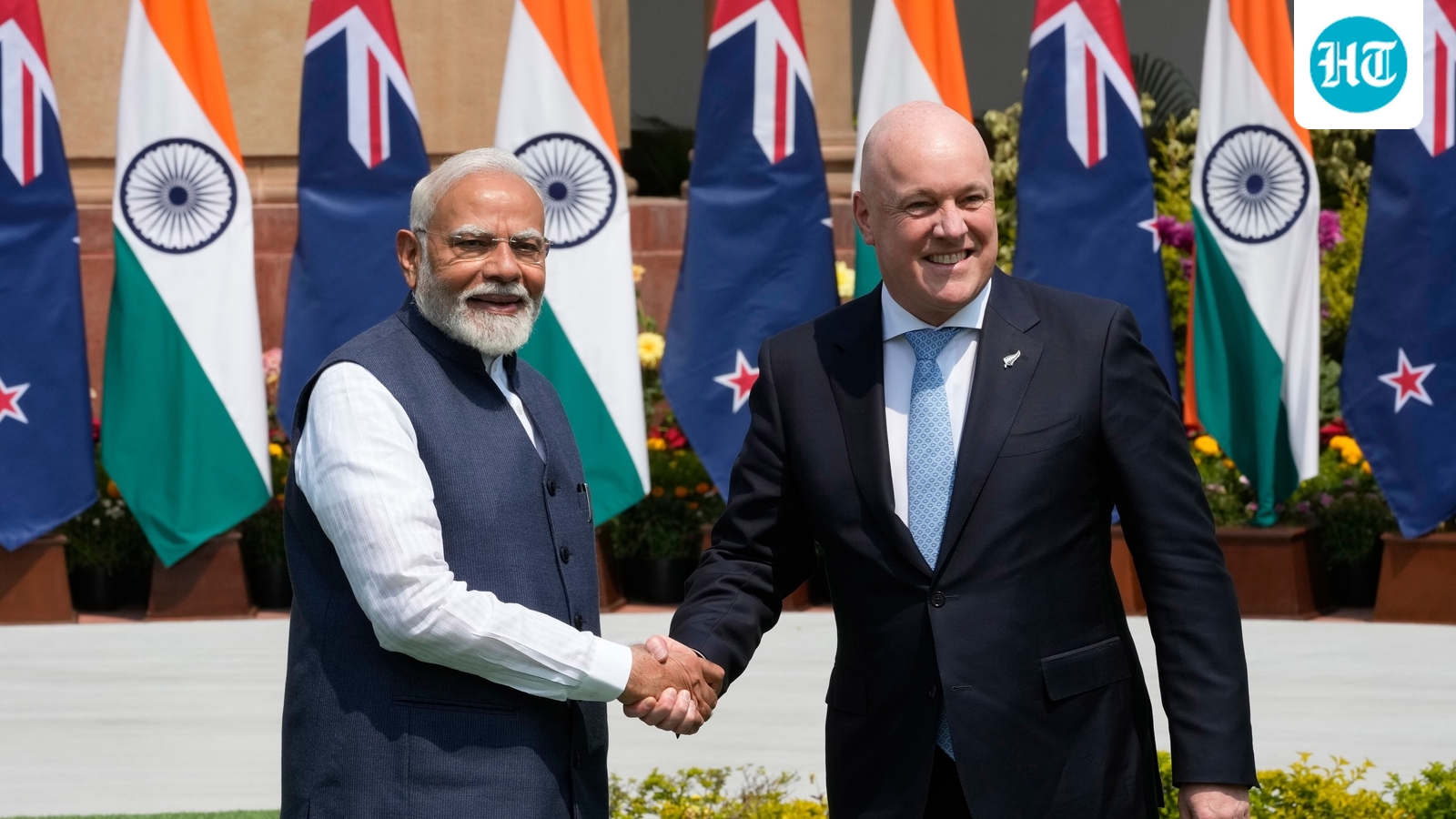
The India-New Zealand FTA, negotiated during New Zealand Prime Minister Christopher Luxon's visit to India in March 2025, covers a wide range of areas, including goods, services, investment, mobility, and trade facilitation. A key highlight of the agreement is New Zealand's commitment to invest USD 20 billion in India over 15 years, backed by a rebalancing mechanism for unmet targets.
Tariffs on 95% of New Zealand exports to India will be eliminated or reduced, with 57% duty-free from day one, rising to 82% fully implemented. The remaining 13% will face sharp cuts. India's average Most Favoured Nation (MFN) tariff will drop from 16.2% to 13.18% on entry, 10.30% after five years, and 9.06% by year ten.
The FTA is expected to boost New Zealand's exports to India by $1.1-1.3 billion annually, with bilateral trade targets doubling in five years. The agreement also includes provisions for mobility, with 1,000 annual Working Holiday Visas for young Indians and 1,667 three-year work visas for priority Green List roles, such as doctors, nurses, teachers, ICT, and engineers.
New Zealand's Trade Minister Todd McClay has hailed the agreement as a "high-quality" win, highlighting the benefits for exporters and the level playing field it provides against competitors. Indian officials have emphasized the mutual ambition behind the agreement, with the nine-month timeline reflecting the political will to deepen ties. The agreement also offers market access in 106 services sectors and MFN treatment in 45 to Indian firms.
However, dairy access has been limited, with New Zealand's kiwifruit, apples, and meat sectors gaining significant benefits. The FTA also excludes sugar market access for New Zealand. Despite these limitations, the agreement is seen as a major breakthrough for New Zealand's agriculture exports, with India's growing economy and expanding middle class offering vast opportunities.
The India-New Zealand FTA builds on New Zealand's FTA history, including its agreement with China in 2008. Prior engagement had focused on business-led sectoral cooperation to lift ties, targeting tariff/non-tariff barriers in goods, services, and investment. The agreement now deepens economic ties between the two nations, which already enjoy strong people-to-people links, sports, and education relationships.
For New Zealand exporters, the FTA opens up India's vast market, boosting sectors like kiwifruit, apples, meat, and wool. For Indian firms and youth, the USD 20 billion NZ investment pledge spurs jobs and infrastructure development. The agreement also provides 1,000 Working Holiday Visas and services access to Indian entrepreneurs.
As the FTA is set to be formally signed in the first half of 2026, consumers in India can expect lower tariffs on New Zealand goods, such as honey, wine, and coal. The agreement is seen as a significant step forward in strengthening bilateral ties between India and New Zealand, which are expected to continue growing in the coming years.
As India's economy is projected to reach $NZ 12 trillion by 2030, the FTA offers a unique opportunity for New Zealand exporters to tap into the country's growing middle class. With the agreement set to double bilateral trade in five years, the future of India-New Zealand economic ties looks brighter than ever.
📰 Source: Hindustan Times - Politics