Ashes Snicko Controversy: Mitchell Starc Calls for Uniform DRS System, ICC to Take Note
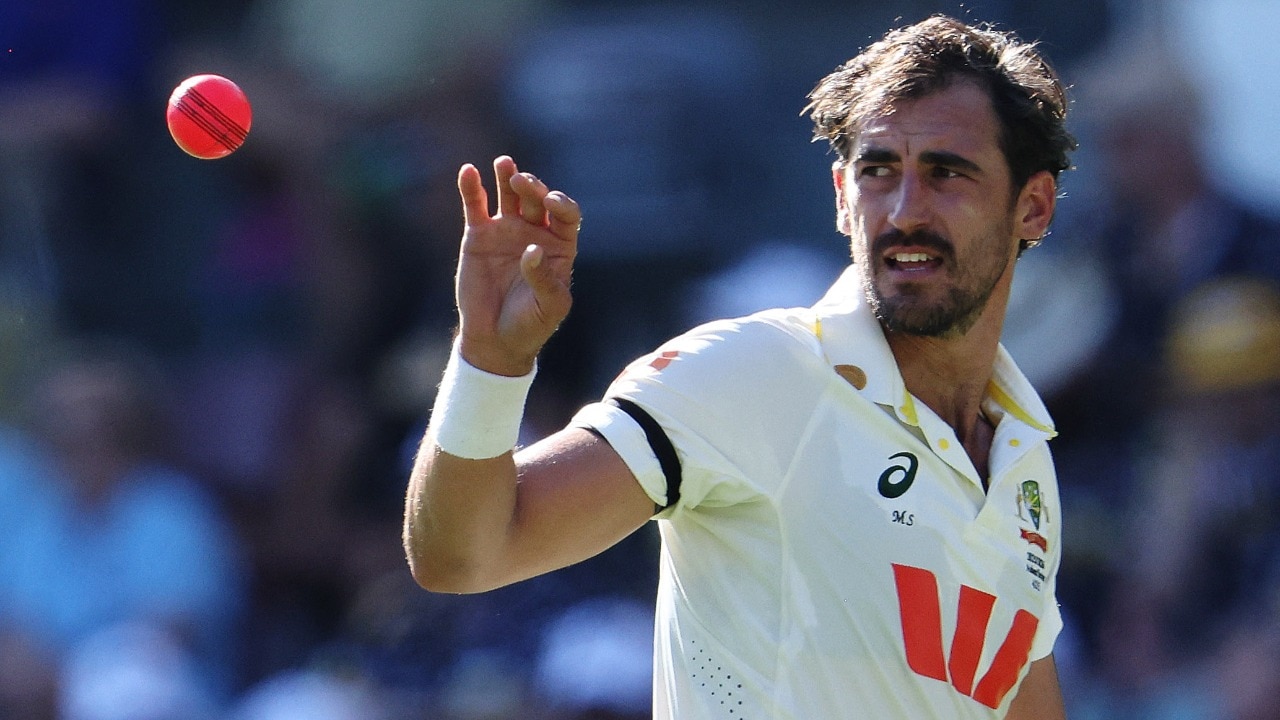
The 2025-26 Ashes series has witnessed its fair share of controversy, but none as significant as the Snicko technology debacle that unfolded during the third Test in Adelaide. Australian fast bowler Mitchell Starc's outburst against the Decision Review System (DRS) tool, labeling it "the worst technology there is" and demanding its immediate removal, sent shockwaves across the cricketing world.
The incident, which occurred on the second day of play in the third Test, was a culmination of a series of marginal calls that left both teams and fans frustrated. The controversy began on the first day when Australian wicketkeeper Alex Carey was given a life after Snicko operator error reinstated his review. This was followed by another contentious decision, where England's Jamie Smith was initially given not out on a catch off Pat Cummins, despite no Snicko murmur near his glove. The decision sparked widespread debate, with players and pundits questioning the technology's reliability.
However, the issue came to a head when Smith was given out on a later delivery, sparking a heated exchange between the England captain, Ben Stokes, and the Australian players. Graeme Swann, a renowned cricket pundit, also weighed in on the controversy, calling the rulings "nonsense" and highlighting the inconsistent application of the technology.
Starc's comments, which called for the immediate removal of Snicko, were the most scathing of all. "This technology is the worst there is. It needs to be sacked," he said, highlighting the series of errors that had marred the Ashes series thus far. While Starc's comments may have been an emotional response to the on-field situation, they also raised important questions about the effectiveness of the current DRS system.
The controversy surrounding Snicko has highlighted the need for a more uniform and reliable DRS system. The technology, which visualizes sound spikes for edges, has been at the center of several contentious decisions throughout the Ashes series. While it has its limitations, the DRS system has been instrumental in umpiring decisions in modern-day cricket. However, the inconsistencies in Snicko's application have eroded trust in the system, potentially influencing match outcomes in high-stakes series like the Ashes.
Cricket's governing body, the ICC, has a responsibility to address the concerns raised by players and fans. The repeated errors in Snicko's application have put pressure on the ICC to review the technology's protocols and explore alternative solutions. This could include enhanced training for operators, refinements to ball-tracking technology, or changes to protocol for marginal calls.
The Ashes series has always been a showcase of cricket's finest moments, but the Snicko controversy has brought attention to the technology's limitations. As fans and pundits continue to question officiating equity, the ICC must take note of the growing concerns and work towards a more reliable and uniform DRS system.
In an era where technology is increasingly being used to support umpiring decisions, the ICC must ensure that the system is fair, transparent, and reliable. The Snicko controversy may be a temporary setback, but it also presents an opportunity for cricket's governing body to reassess its technology and make improvements that benefit the sport as a whole.
As the Ashes series moves towards its conclusion, the focus will shift from the on-field action to the off-field discussions surrounding Snicko and the DRS system. One thing is certain – the cricketing world will be watching closely to see how the ICC responds to the growing concerns and whether it takes concrete steps to address the issues raised by players and fans.
📰 Source: India Today - States