Bangladesh on the Brink: Lynching and Shooting Spark Fear and Outrage
DHAKA, BANGLADESH - Amidst a climate of escalating violence and communal tensions, a Hindu man named Deepu Das (also referred to as Dipu Das) was brutally lynched and burned by a mob over unsubstantiated blasphemy charges. Simultaneously, Motalev Sikder, a youth leader of the National Citizens Party, was shot and remains in critical condition. These heinous incidents have left Bangladesh reeling, sparking widespread fear and outrage among the population.
The events have exposed a broader pattern of violence targeting religious minorities and opposition figures, creating a volatile law and order situation in the country. The government's response, however, has been marked by denial and deflection. Interim Prime Minister Muhammad Yunus has dismissed claims of systematic persecution of minorities, downplaying the incidents as isolated cases. This stance has drawn fierce criticism from former Prime Minister Sheikh Hasina, who has accused the Yunus administration of failing to protect religious minorities and creating an environment of lawlessness.
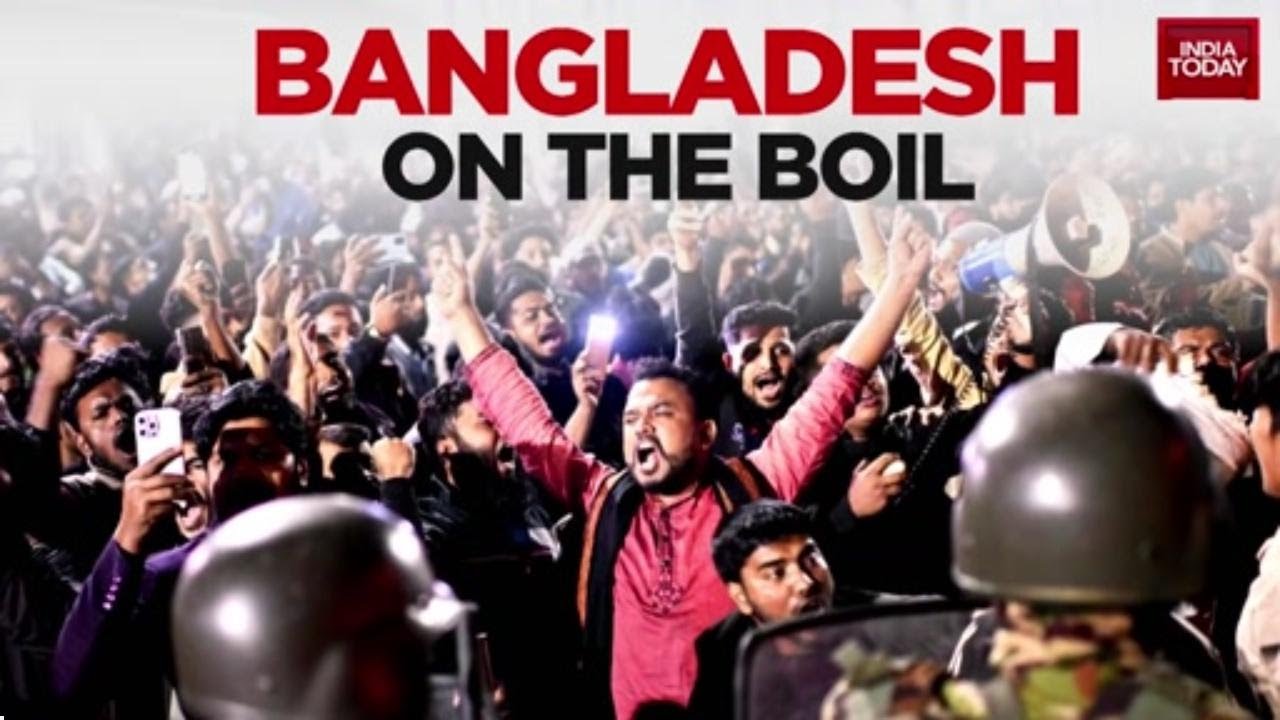
The lynching of Deepu Das has sent shockwaves across the country, with ground reporting from Dhaka and Mymensingh revealing a tense atmosphere characterized by widespread fear. The violence has created a "clash of ideologies" on the streets, with religious minorities facing an uncertain security environment. Awami League leaders and supporters have been in hiding for over a year, fearing mob justice and targeted attacks following the ouster of Sheikh Hasina. This climate of fear extends beyond the immediate incidents, reflecting deeper political and social tensions within the country.
The situation is further complicated by the upcoming general elections, scheduled for approximately one and a half months away. The interim government's handling of minority protection and law and order will likely be central issues in the electoral campaign. The denial of minority persecution risks normalizing such violence in the lead-up to elections, according to ground analysis. This raises serious concerns about institutional capacity and political will to address communal violence.
The incidents have international dimensions, with India expressing concern about the treatment of minorities and rejecting Bangladesh's allegations regarding protests at its High Commission. The violence and government response may affect Bangladesh's international standing and diplomatic relationships. The situation highlights the vulnerability of religious minorities and opposition political figures in the current environment, underscoring the need for urgent action to address the root causes of communal violence.
Former Prime Minister Sheikh Hasina has launched a scathing critique of the Yunus administration, alleging that the government has failed to protect religious minorities and has created an environment of lawlessness. She specifically stated that the killing reflects broader "lawlessness" in Bangladesh and accused Yunus of placing "extremists in cabinet positions" and granting "immunity to hooligans." This accusation has sparked a heated debate about the government's handling of minority protection and the role of extremist elements in the country's politics.
The lynching and shooting have sent a chilling message to the people of Bangladesh, particularly to religious minorities and opposition figures. The government's response, marked by denial and deflection, has only added to the sense of uncertainty and fear. As the country hurtles towards the general elections, the situation demands urgent attention and action from the authorities. The international community must also take note of the growing human rights concerns in Bangladesh, particularly in the context of minority protection and communal violence.
The people of Bangladesh deserve better than a government that prioritizes denial and deflection over accountability and protection. It is essential that the interim government takes concrete steps to address the root causes of communal violence, ensures the safety and security of religious minorities, and upholds the rule of law. Anything less would be a betrayal of the trust placed in the government by the people of Bangladesh.
📰 Source: India Today - Education